
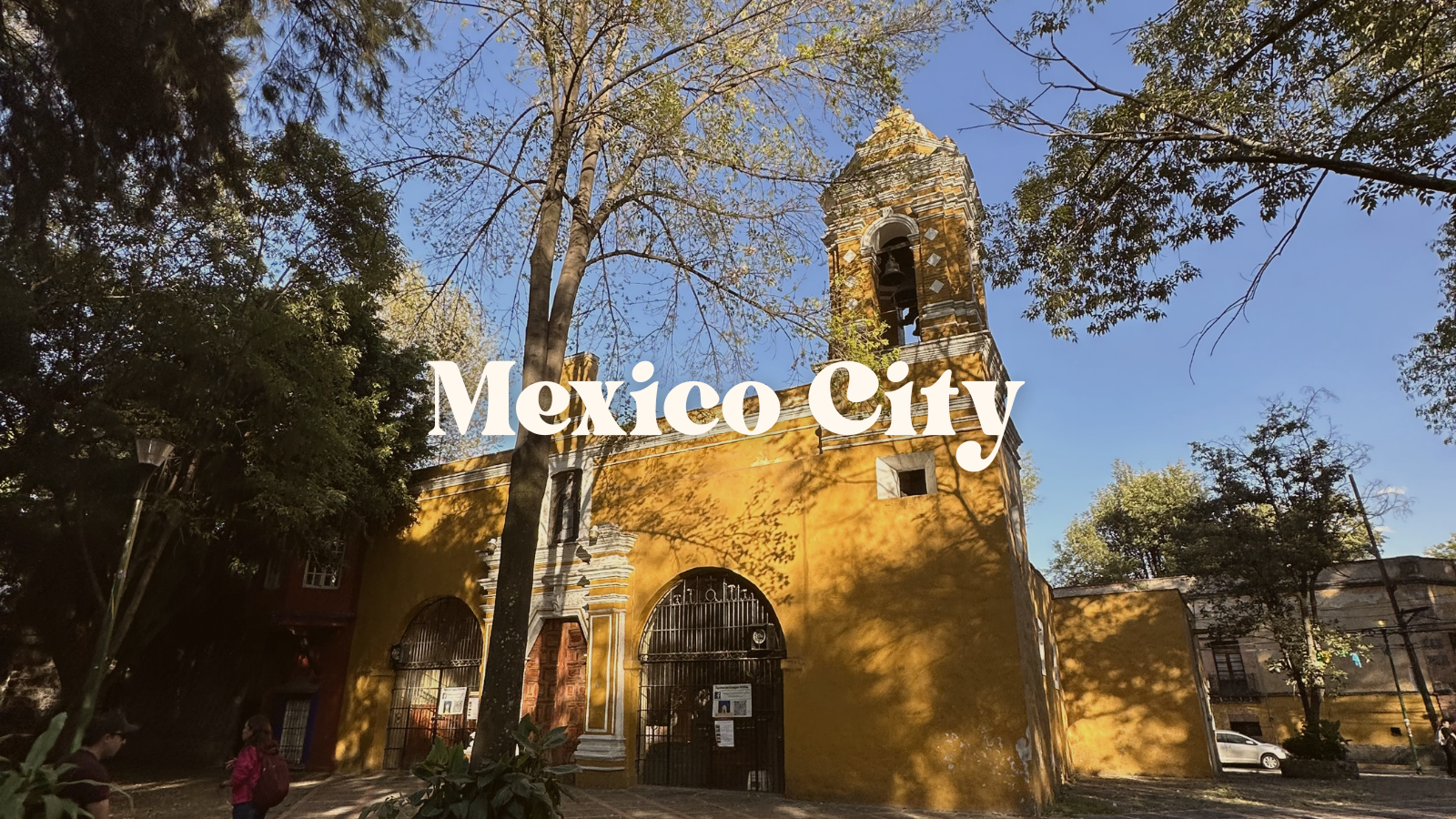
Seven activities you don’t want to miss while visiting Mexico’s capital city.
Mexico City (CDMX) is full of life and color. From historical architecture to ancient ruins, from street art to museums full of masterpieces, from 5-star dining to eating tacos on a plastic chair on the sidewalk, this city has it all. In my longest stint here, I stayed for 2 months and it still didn’t feel like enough time.
Whether you have three days or three months, allow yourself to get lost in the depths of Mexico City and everything it has to offer.
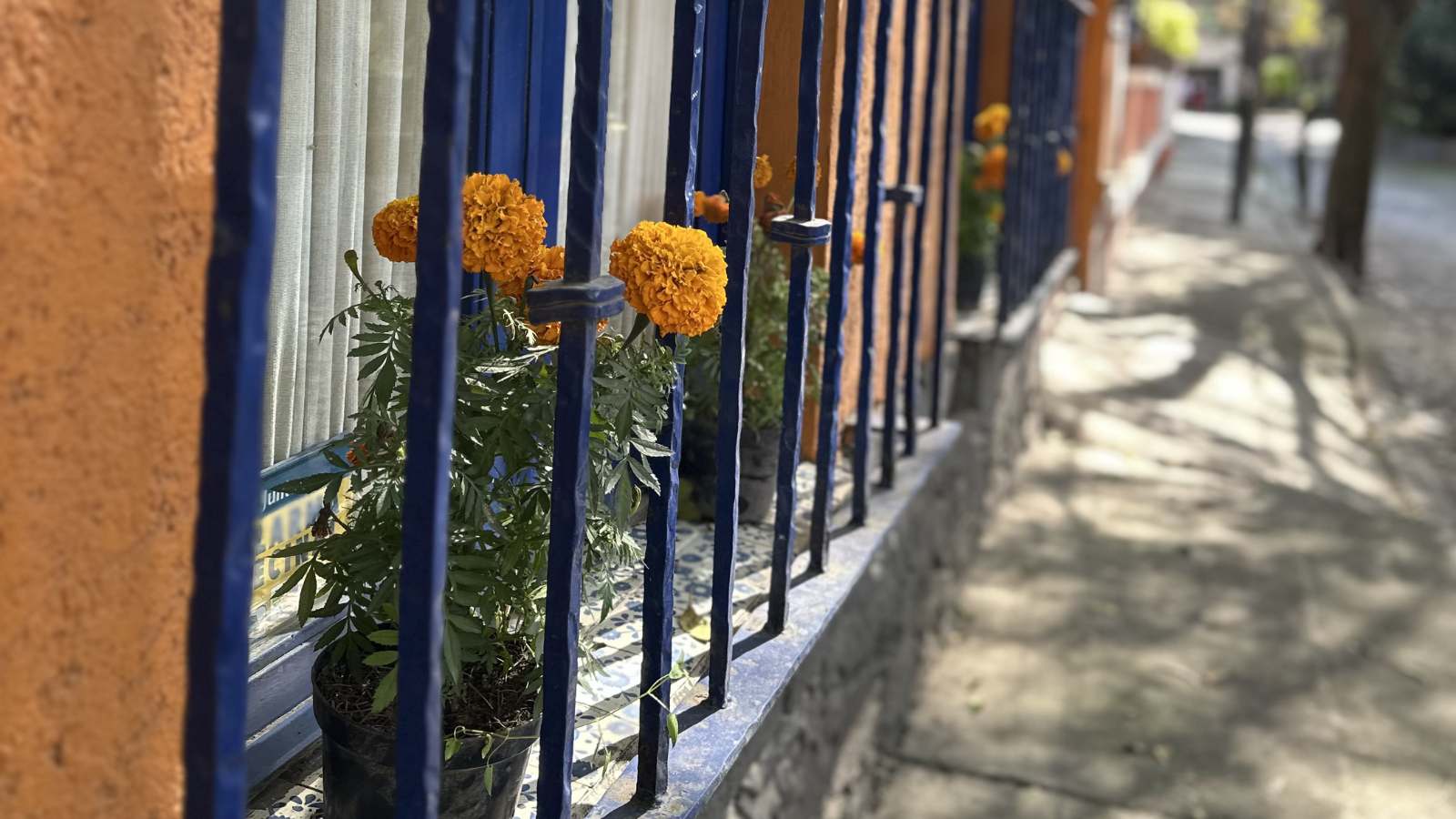
Mexico City or CDMX?
What is CDMX? Let’s start with the basics. Mexico City (English) = Ciudad de México (Spanish) = CDMX (abbreviation for the Spanish).
CDMX is the capital city of Mexico, widely known as being one of the top foodie destinations in the world. Other claims to fame include renown artist Frida Kahlo, the birth place of lucha libre, and food good enough to be liked by Anthony Bourdain.
It is a popular city for tourists and digital nomads. They speak Spanish and operate on the Mexican peso. If you are an inexperienced traveler, don’t let that intimidate you – in the touristy parts of the city, you will find plenty of English and even some vendors willing to accept USD. (Not recommended, as a sign of cultural respect, but good for emergencies!)
Watch a lucha libre show
Lucha libre is more than just wrestling. Imagine crowds chanting, performers in costume, storylines with heroes and villains, acrobatics, gymnastics, and drama. Now put that inside a wrestling ring.
It’s an entire experience!
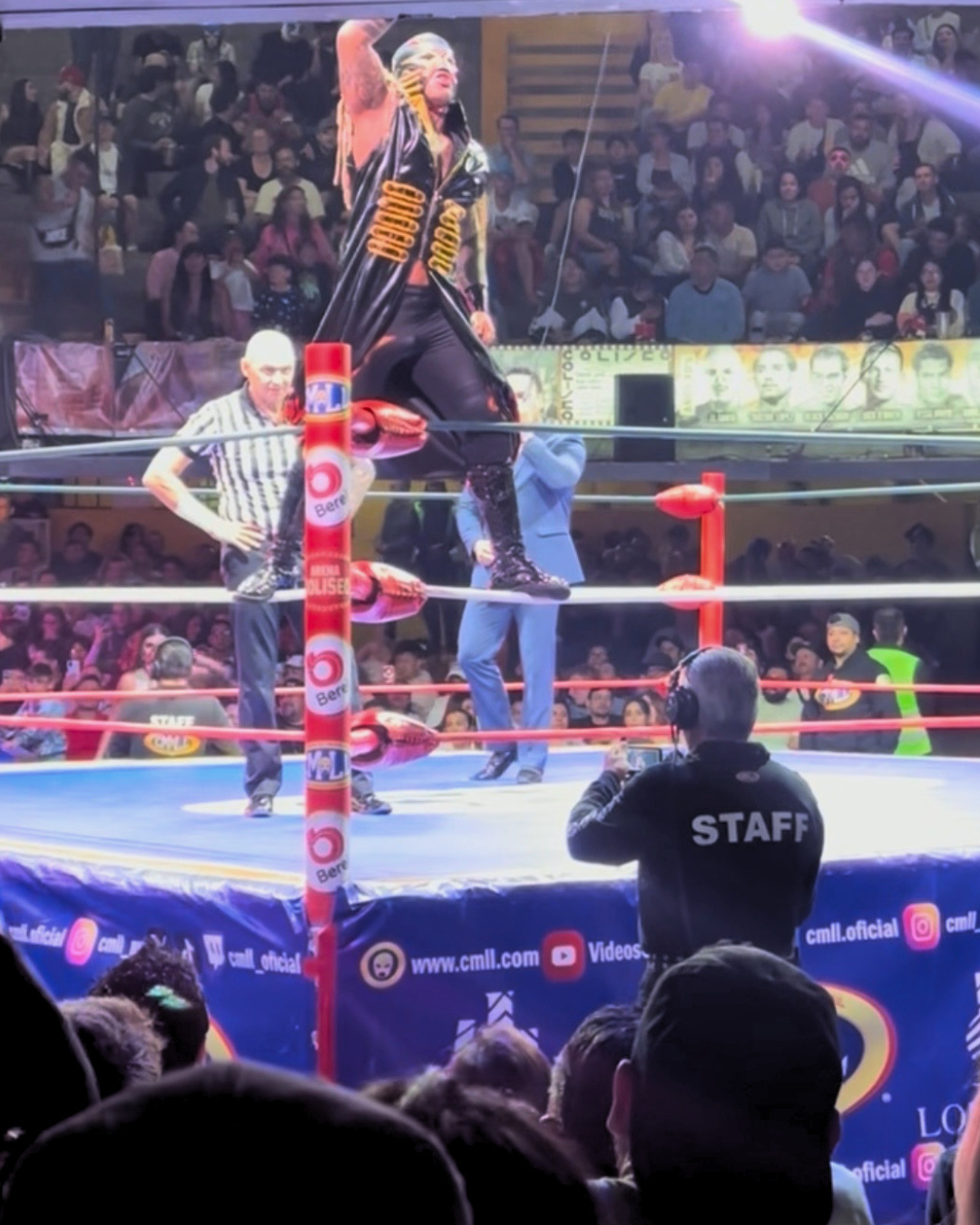

As a solo female traveler, I tend to avoid nighttime activities in unfamiliar cities. I am a worrier!* But lucha libre was important to me, so I joined a group tour which included getting together in the evening to learn about the history and cultural significance of lucha libre. This also included a time for arts and crafts where we made our own masks.
I loved this part of the night! I was able to make friends in the group, which made watching the actual wrestling more enjoyable. We traveled together to the arena, which dispelled my fears about walking alone at night.

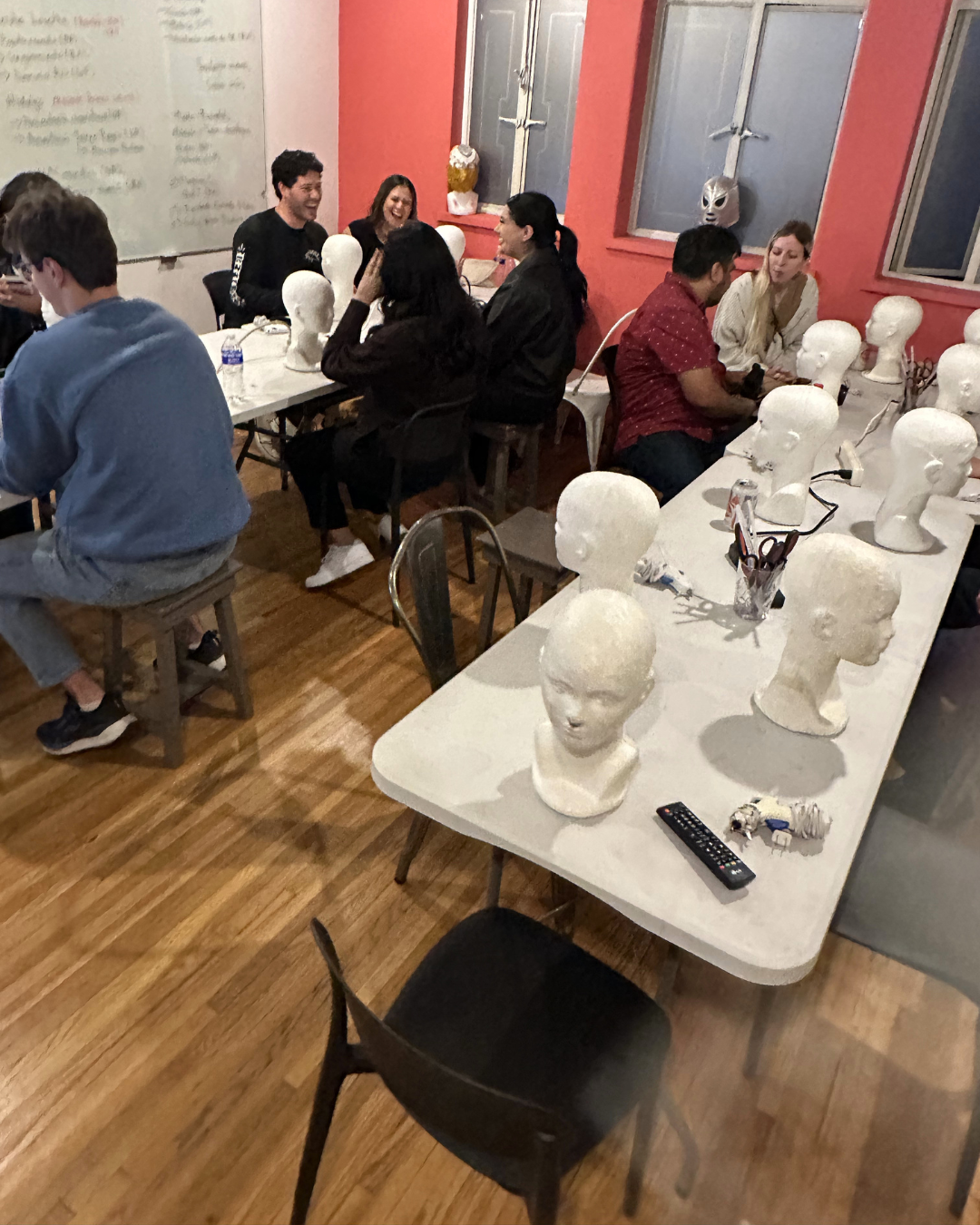
*Could I have made it to and from a lucha libre show alone safely? Probably! Would it have added a lot of anxiety to my night? Absolutely.
It’s important to know yourself when you’re traveling, and make the best choices for you. I knew that I would overthink the situation, and possibly talk myself out of going at the last minute.
No matter how you get yourself there, don’t miss out on lucha libre!
Museums in Mexico City
There are so many museums in Mexico City that you could spend a week exploring them all and still only scratch the surface. The best museum to visit entirely depends on you and what you’re into – some of the best options are below.
If you are into ancient history, I recommend the Museum of Anthropology. This is one of the top history museums on the world, with over 600,000 objects of Mesoamerican art and history showing the rich past of Mexico.
If you want to see international art that make your jaw drop, take a visit to the Museo Soumaya. This is one of the most visited museums in the country with over 66,000 pieces of art from a diverse array of regions and tie periods.
And if you are like me and you enjoy colors, textures, funky and creative art, don’t miss out on my favorite museum in the city, Museo de Arte Popular.
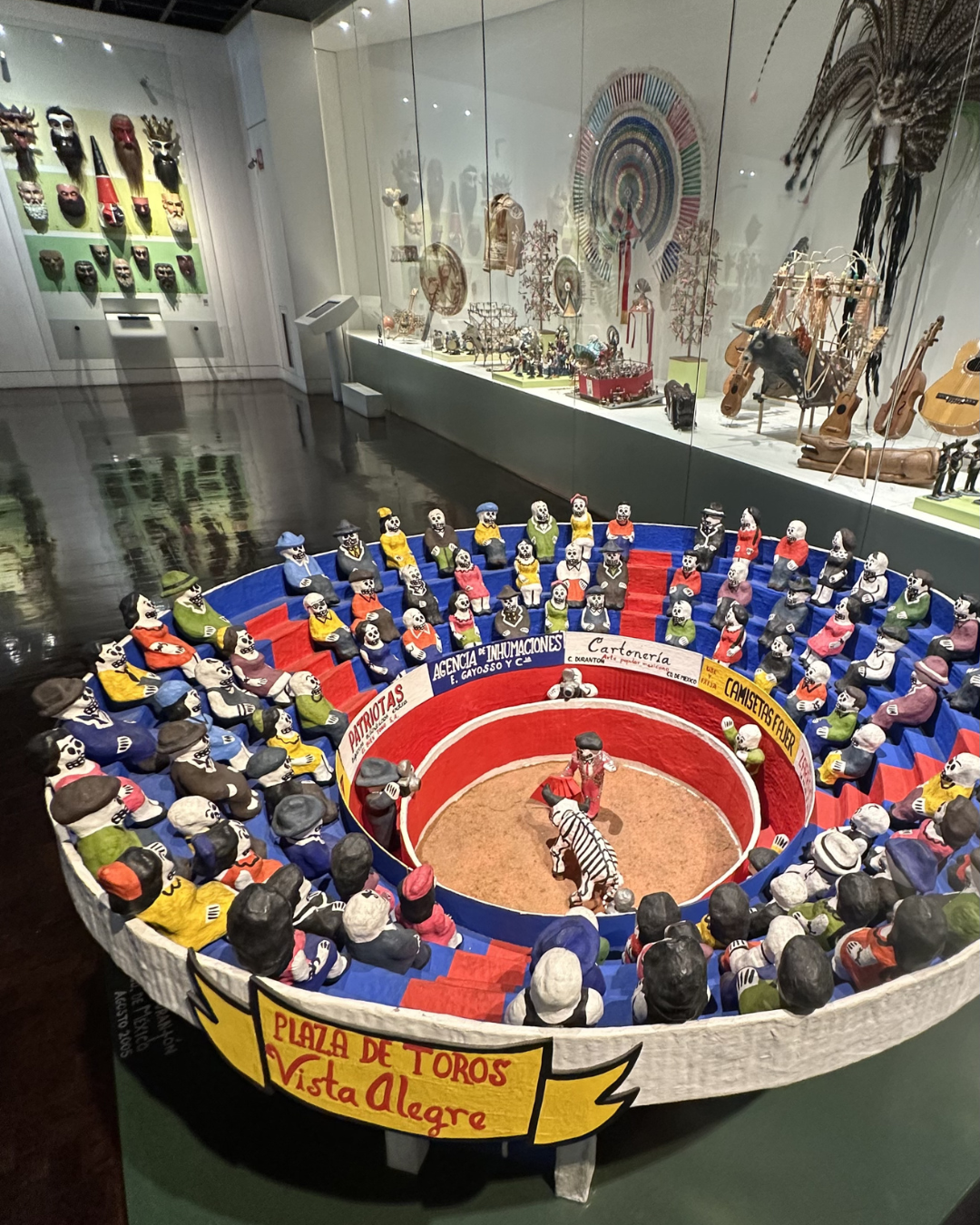
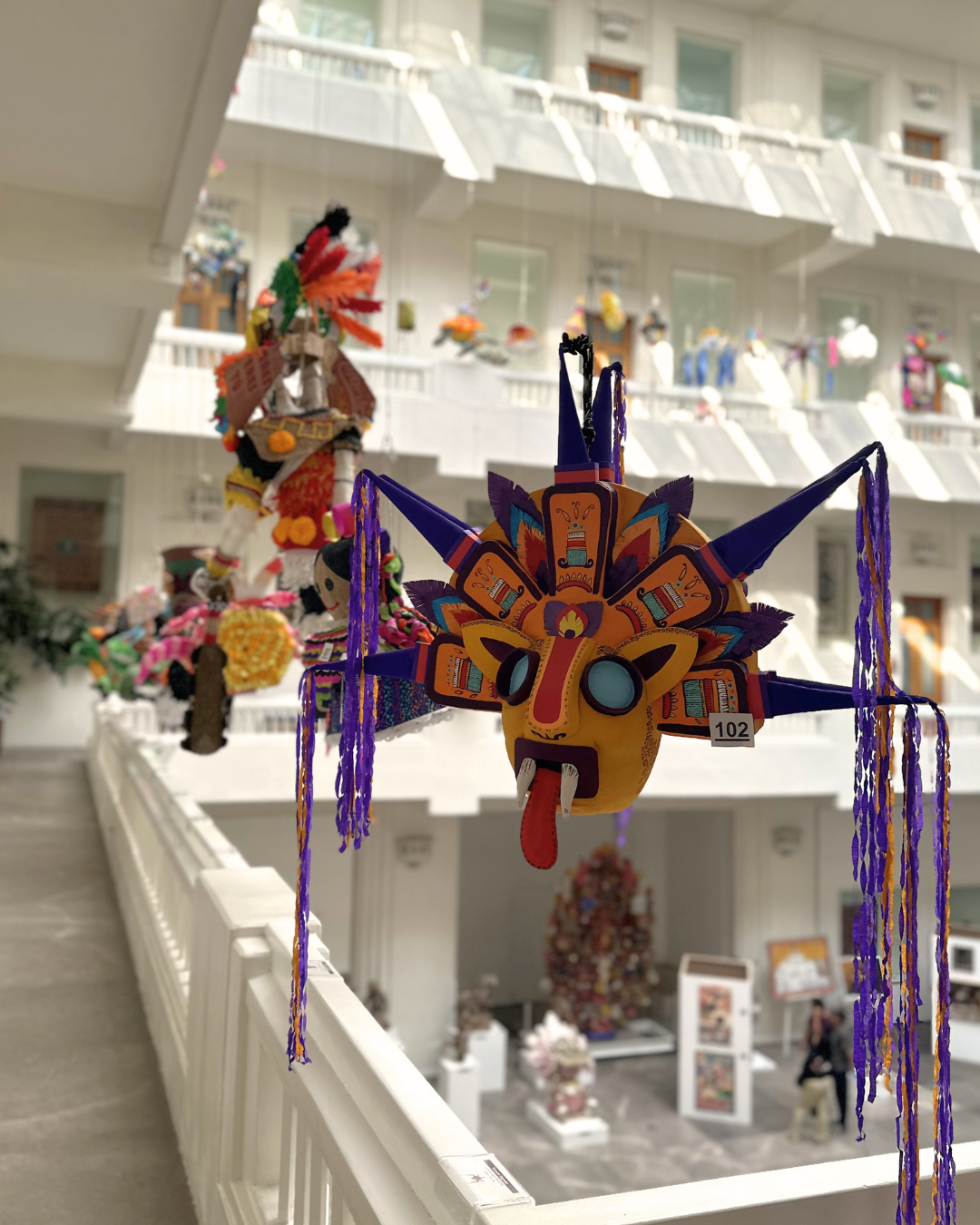
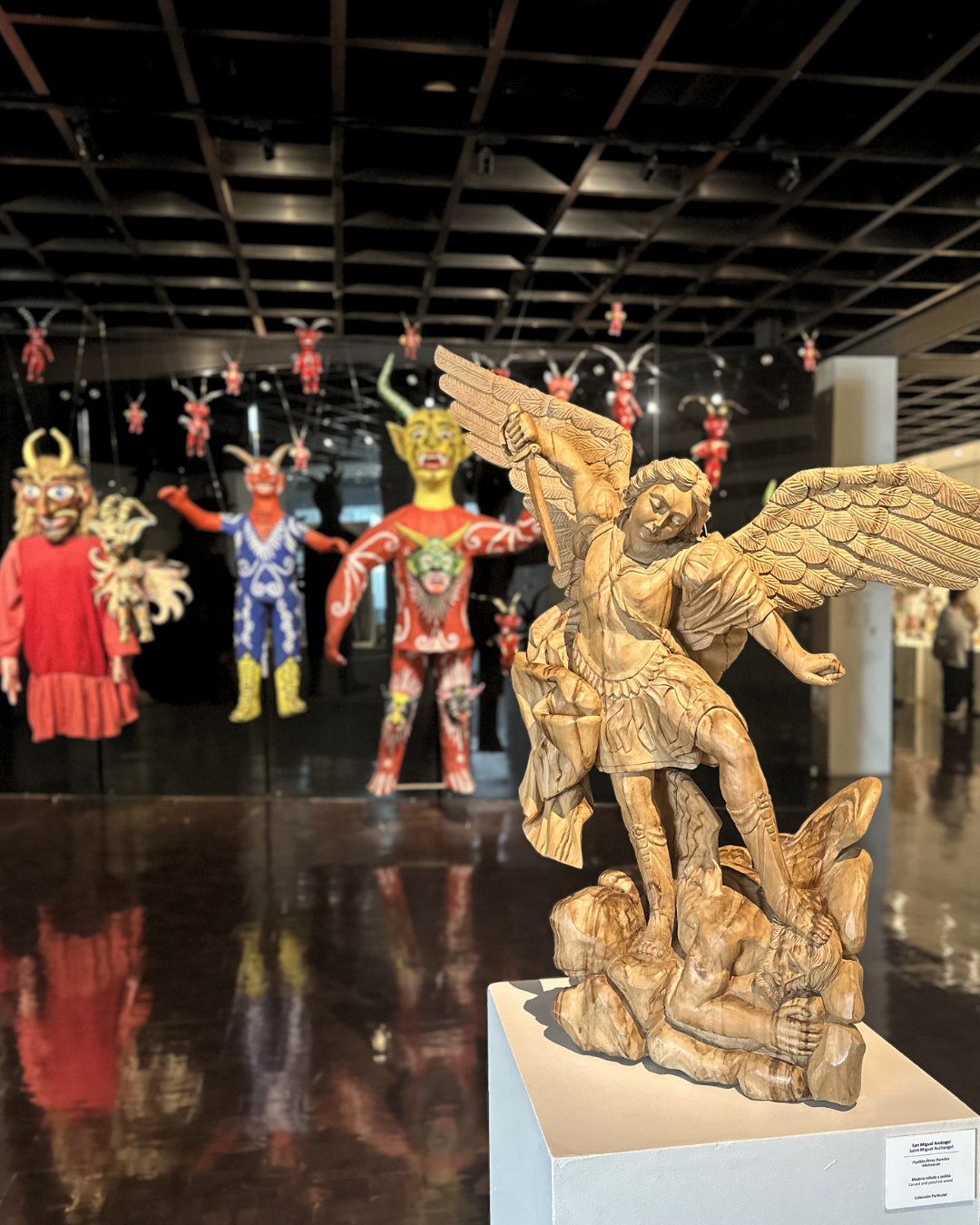
Museo de Arte Popular, located in the Centro Histórico neighborhood of CDMX, highlights Mexican folk art and traditions. This museum is engaging; there is something new and exciting in every direction. Each corner you turn brings a new burst of color, along with the history behind that art form in Mexico. And a large collection of alebrijes!
Alebrijes are brightly colored folk art pieces that combine real and fantastical creatures. The original alebrijes were created by artist Pedro Linares López in Mexico City. He was ill to the point of hallucinating, and he dreamt of colorful, mythical, monster-like creatures filling a forest. This dream inspired the first papier-mâché sculptures which eventually became a national icon.
The museum puts on a free Monumental Alebrijes Parade every October. Giant alebrijes made by artists from around the country are paraded in downtown CDMX, then left on display for a number of days in a public space. If you are visiting in October, be sure to check the dates and see the art if you can!
Learn about Frida Kahlo
You cannot talk about art in Mexico City without discussing Frida Kahlo. Born and raised in Coyoacán (a neighborhood in CDMX), Frida changed Mexico for artists, and also women, in the early 1900s.
Frida is one of the best known artists from CDMX, if not all of Mexico. She even holds the record for the most expensive work by a female artist ever auctioned.
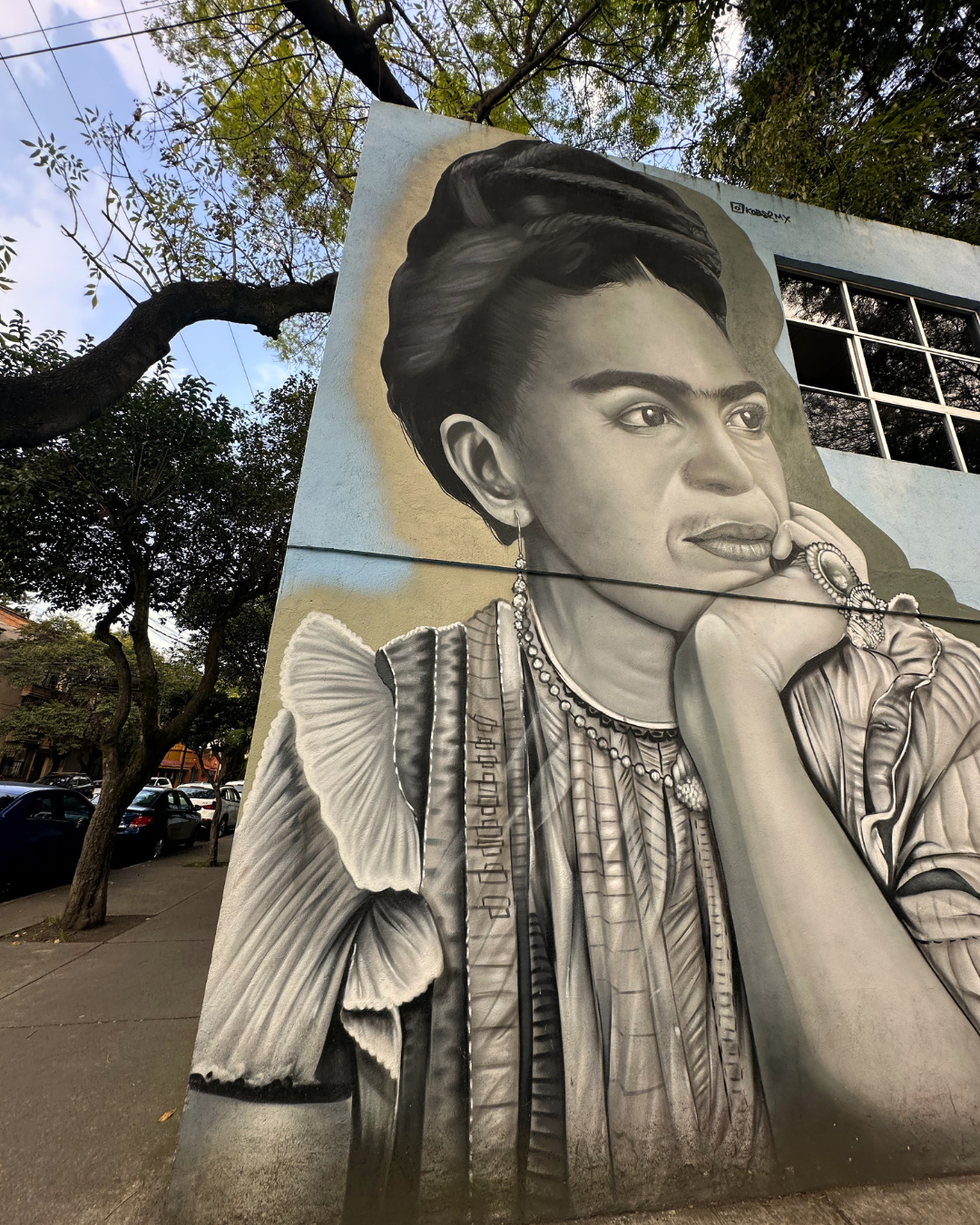
Frida’s story is fascinating, enduring personal trauma and incorporating her pain into her depictions of Mexican life and society. Her paintings explore themes of feminism, colonialism, suffering, and class- and race-division.
The neighborhood of Coyoacán allows visitors to delve into Frida’s story and art. La Casa Azul was her family home where she spent much of her childhood and adult life, and has been converted into a museum.
Tickets for La Casa Azul can sell out months in advance. Book this experience early.
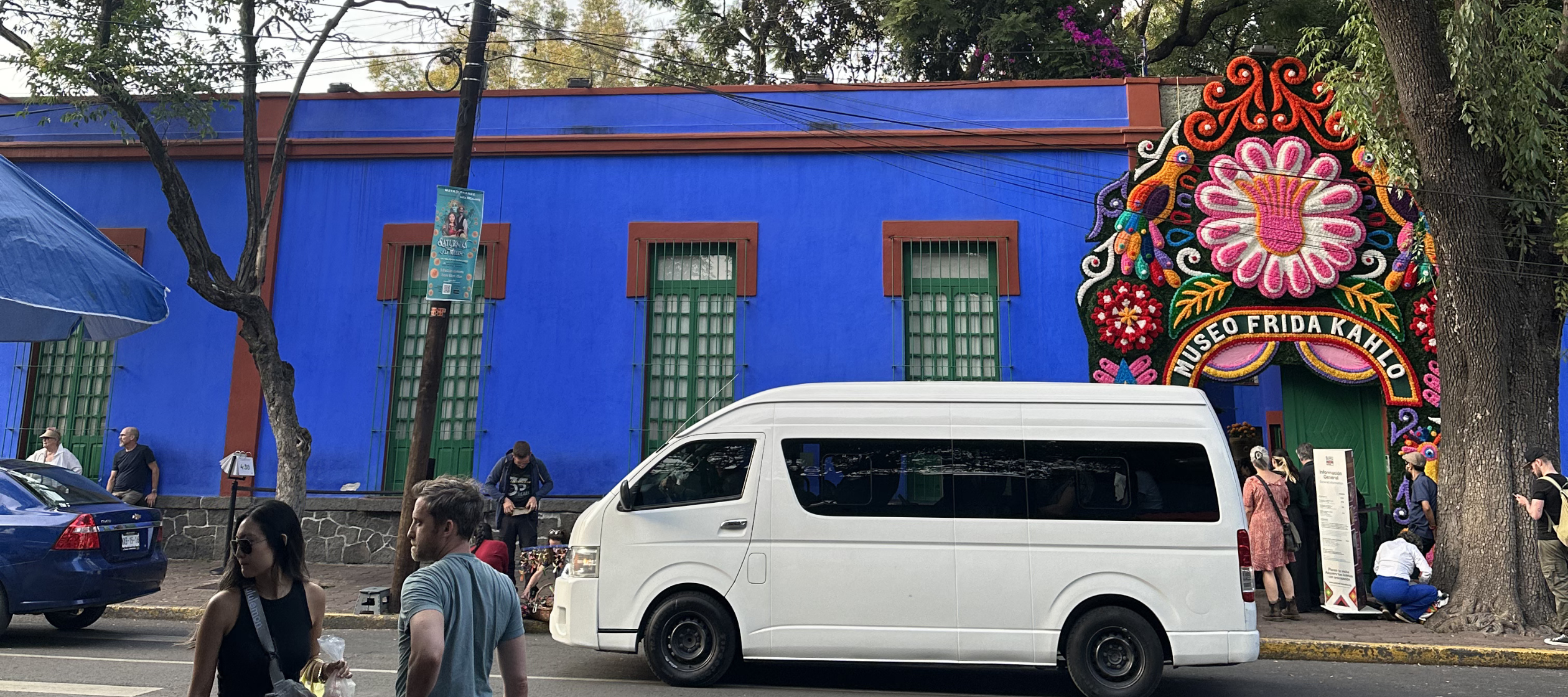
Also consider visiting the Diego Rivera and Frida Kahlo House-Studio Museum, the house that Frida shared with her husband Diego Rivera for 6 years. This is an architectural wonder, fascinating to explore in that context alone. The Not So Innocents Abroad delve into the history and significance of this destination, read more on their blog if you are interested in seeing what life was like for Frida and Diego as a married couple.
Teotihuacán - an ancient Mesoamerican city
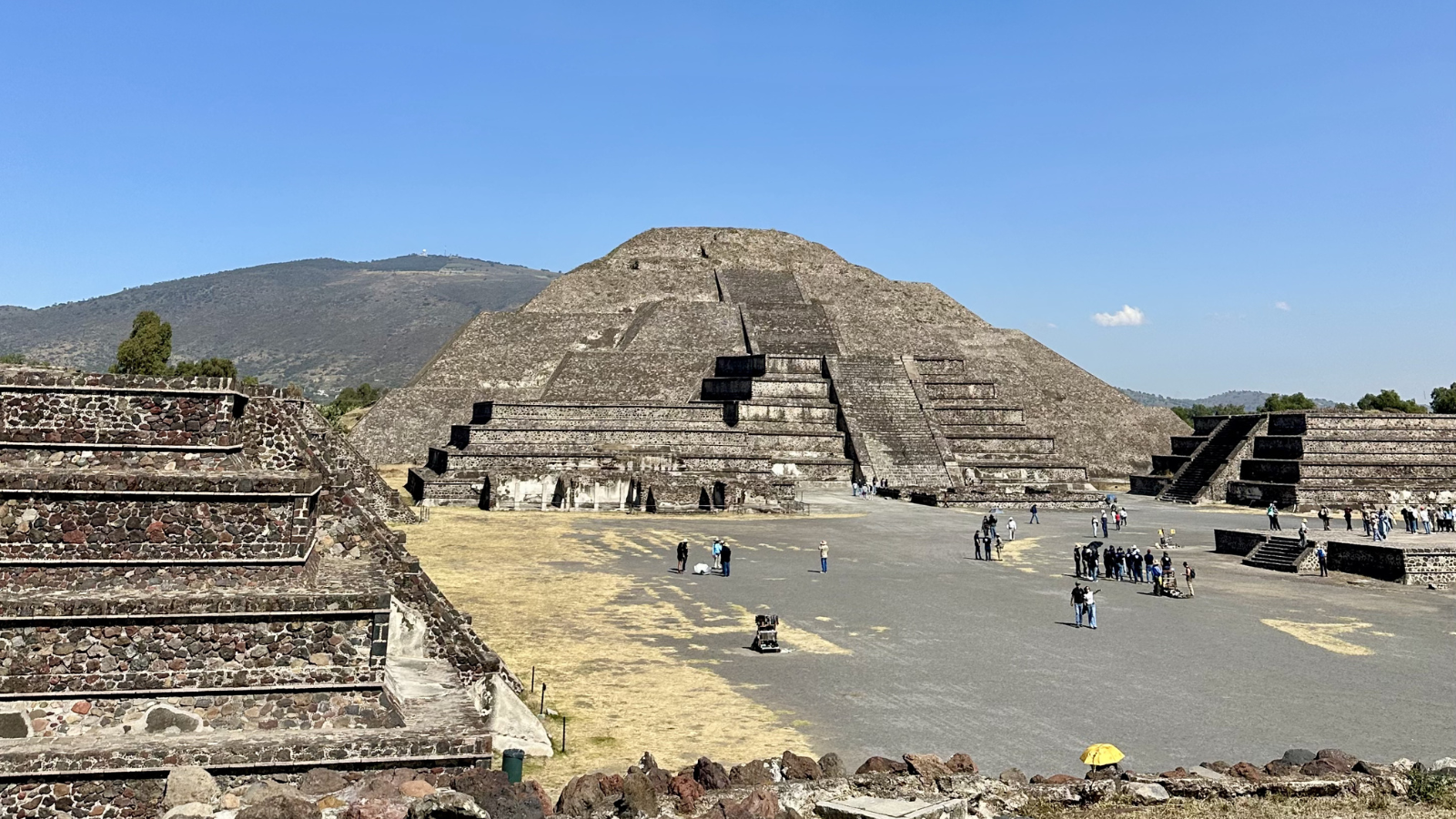
Visitors are able to walk the streets of this pre-Columbian city. At one point this city was home to over 25,000 people, making it one of the largest ancient cities in the Americas.
I encourage you to hire a local guide who can tell you the history and significance of each temple.
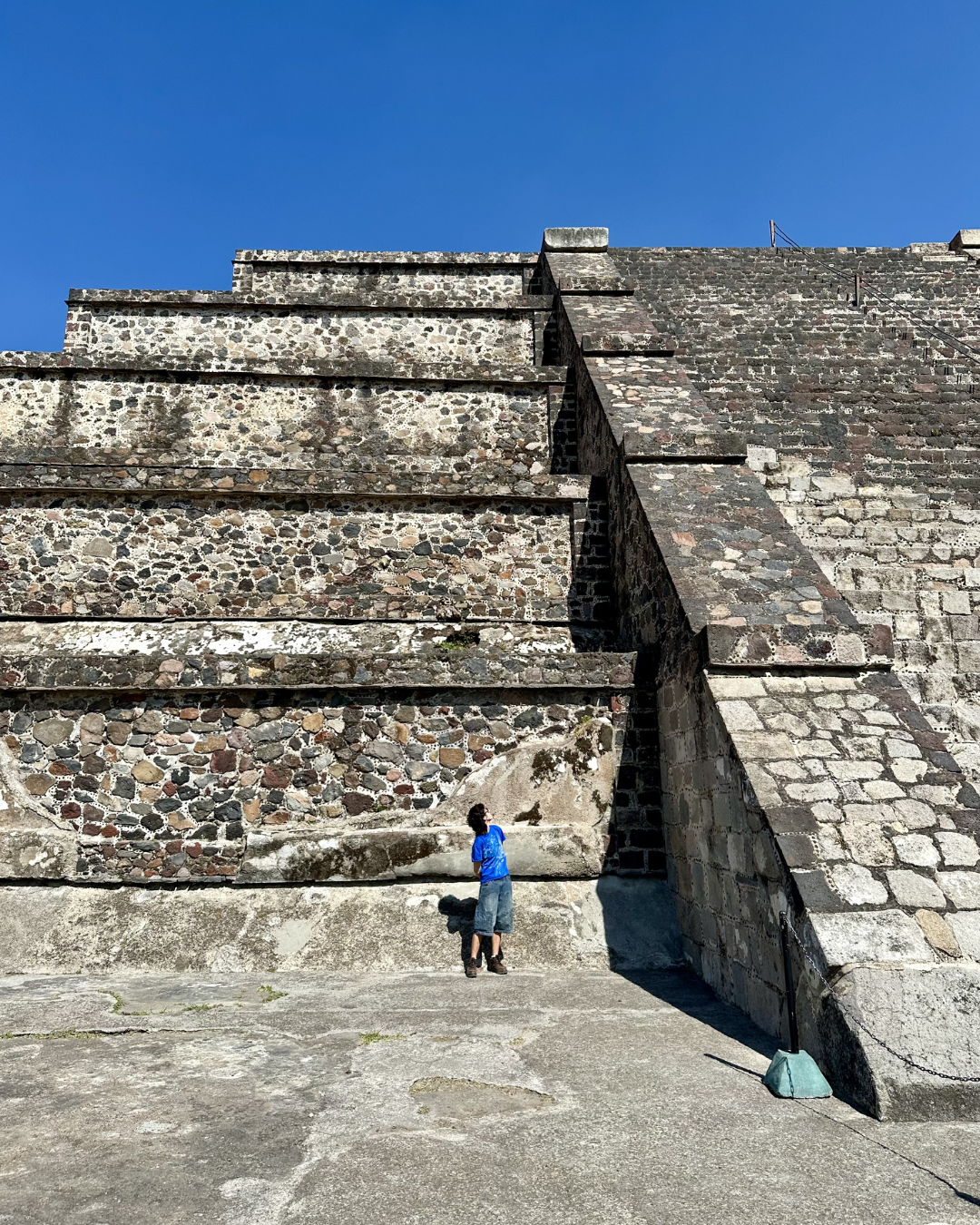
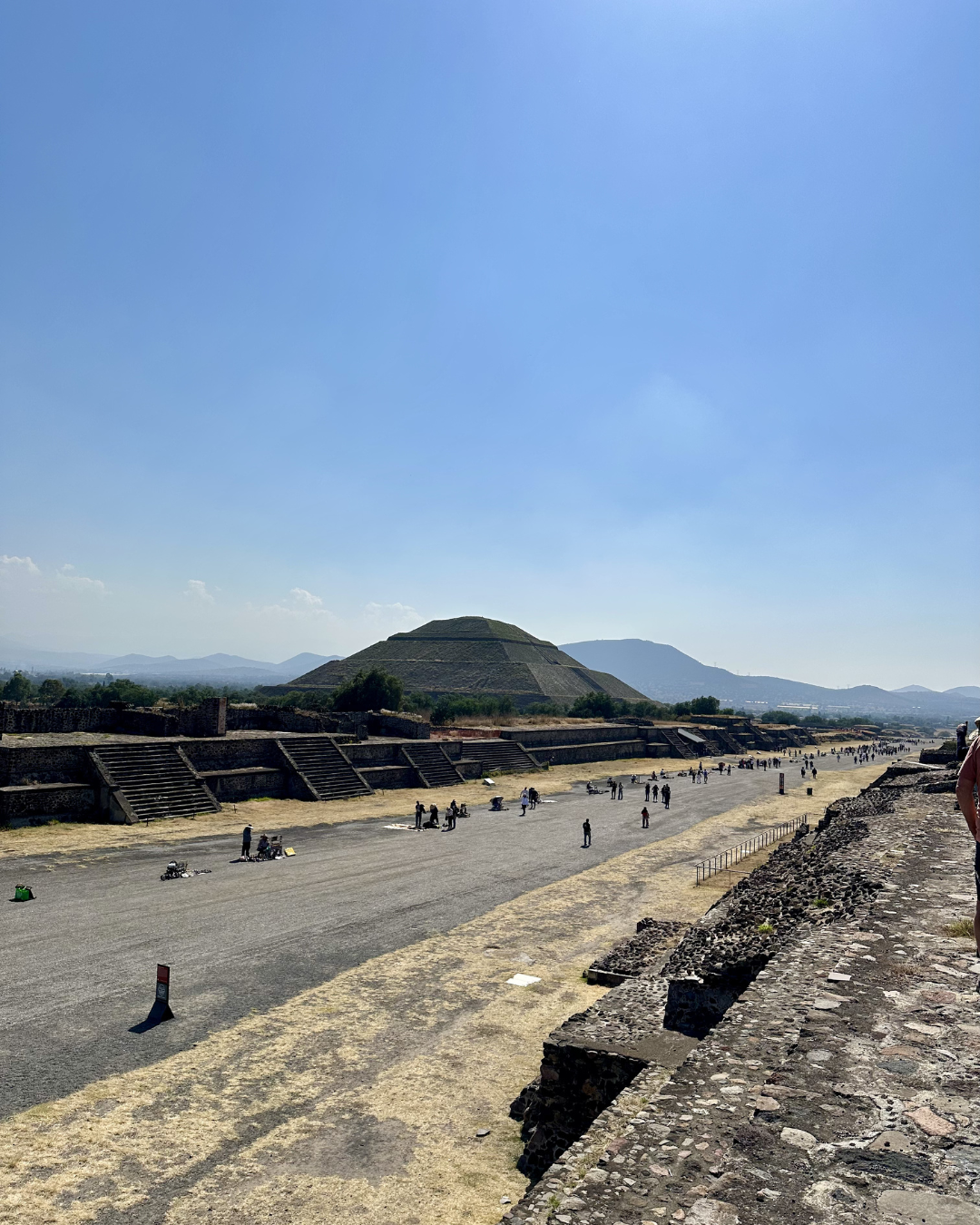
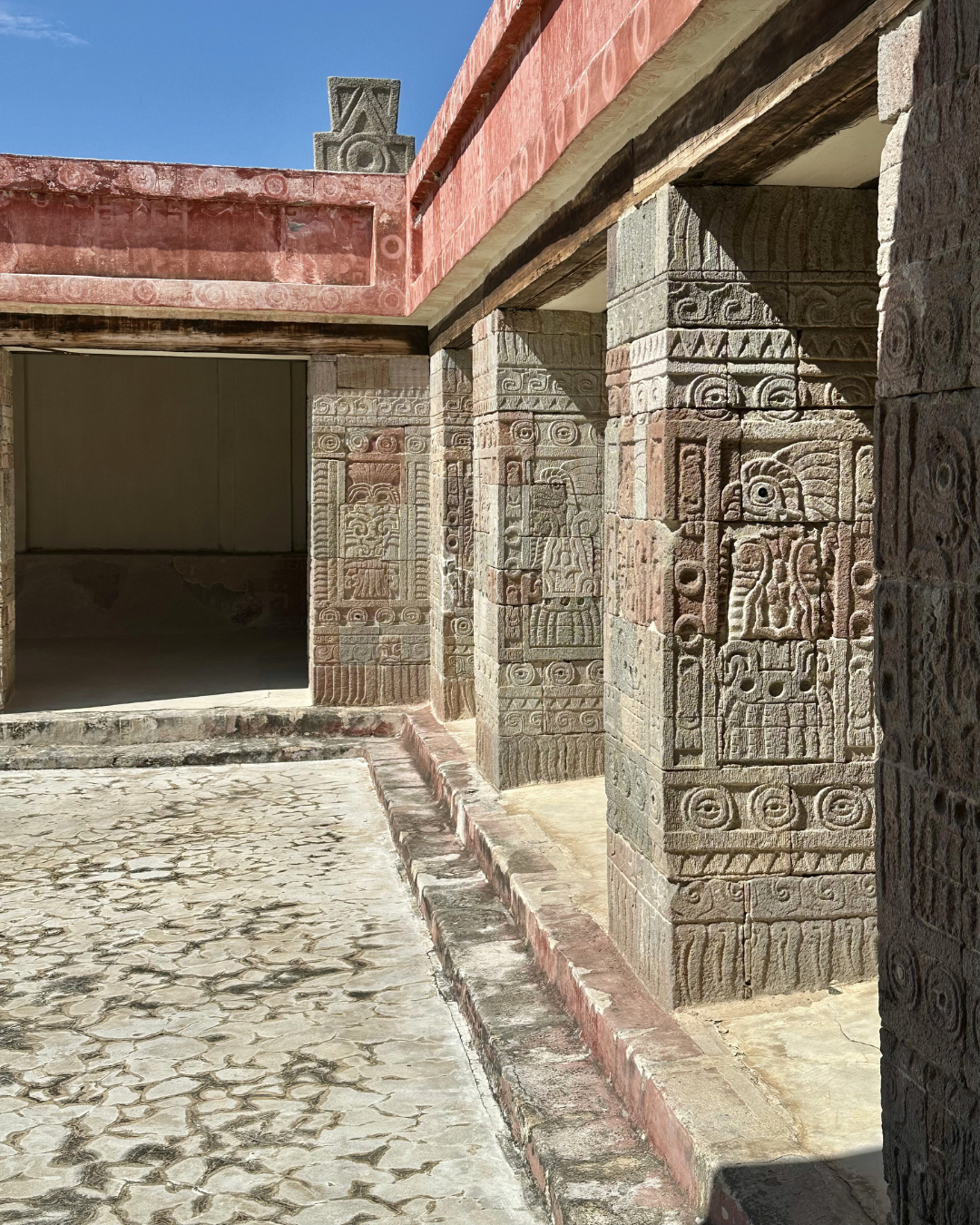
Teotihuacán is about an hour outside of CDMX. A convenient way to see this is to book a day trip. This could consist of a day-long tour, maybe a visit to a few other ruins or historical spots along the way.
Bosque de Chapultepec
Bosque de Chapultepec is a destination unto itself. I gave myself a day to explore this park, but it was absolutely not enough time! There are so many interesting things to do within the park.
Chapultepec is split into 4 sections. Over multiple visits, I only managed to explore the first section, which is, by far, the most visited. In this section, you will find:
- Museums, including the Museum of Anthropology and Modern Art Museum
- The Chapultepec Castle
- The Chapultepec Zoo
- Paved walking paths
- A lake with paddleboats and rowboats
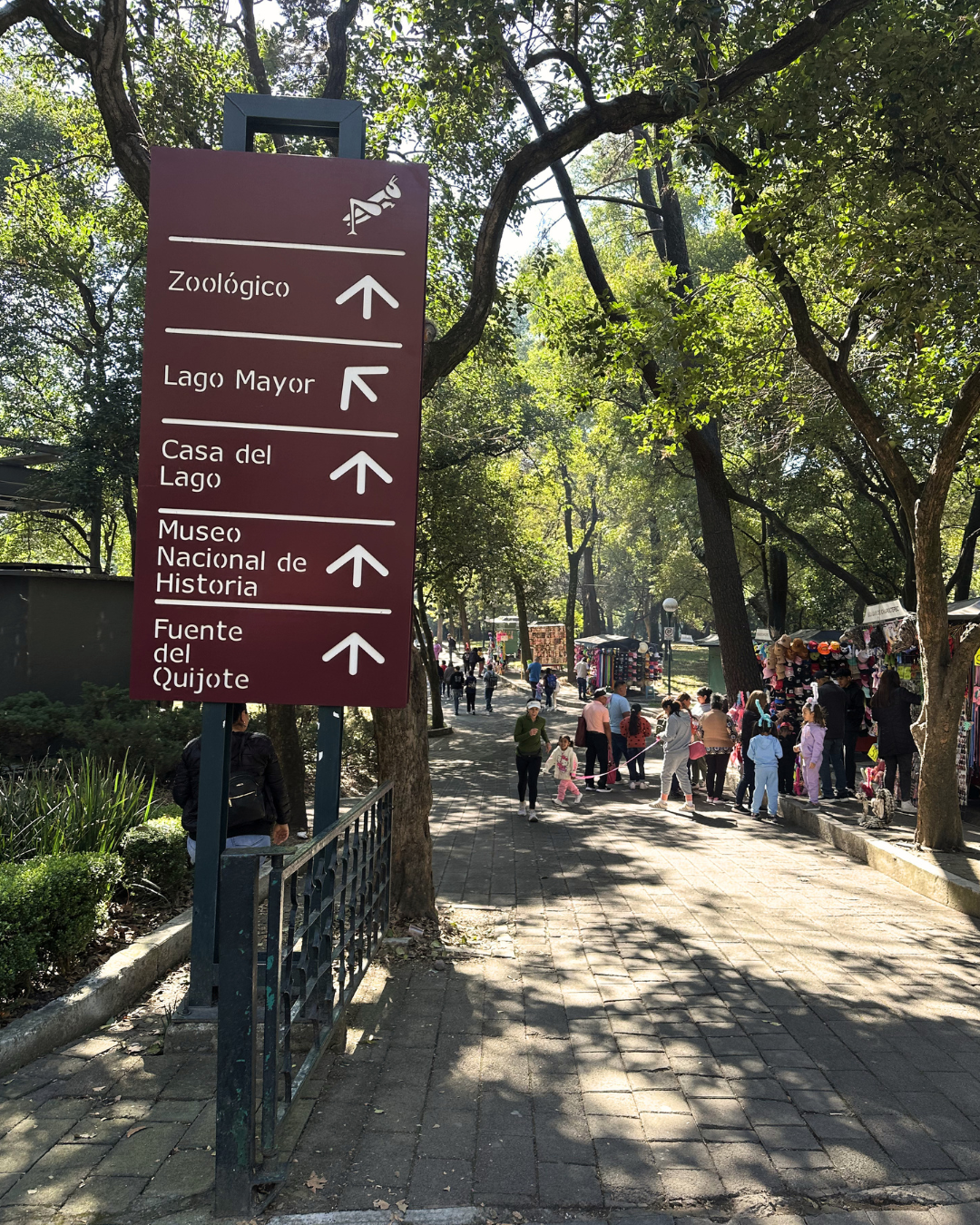
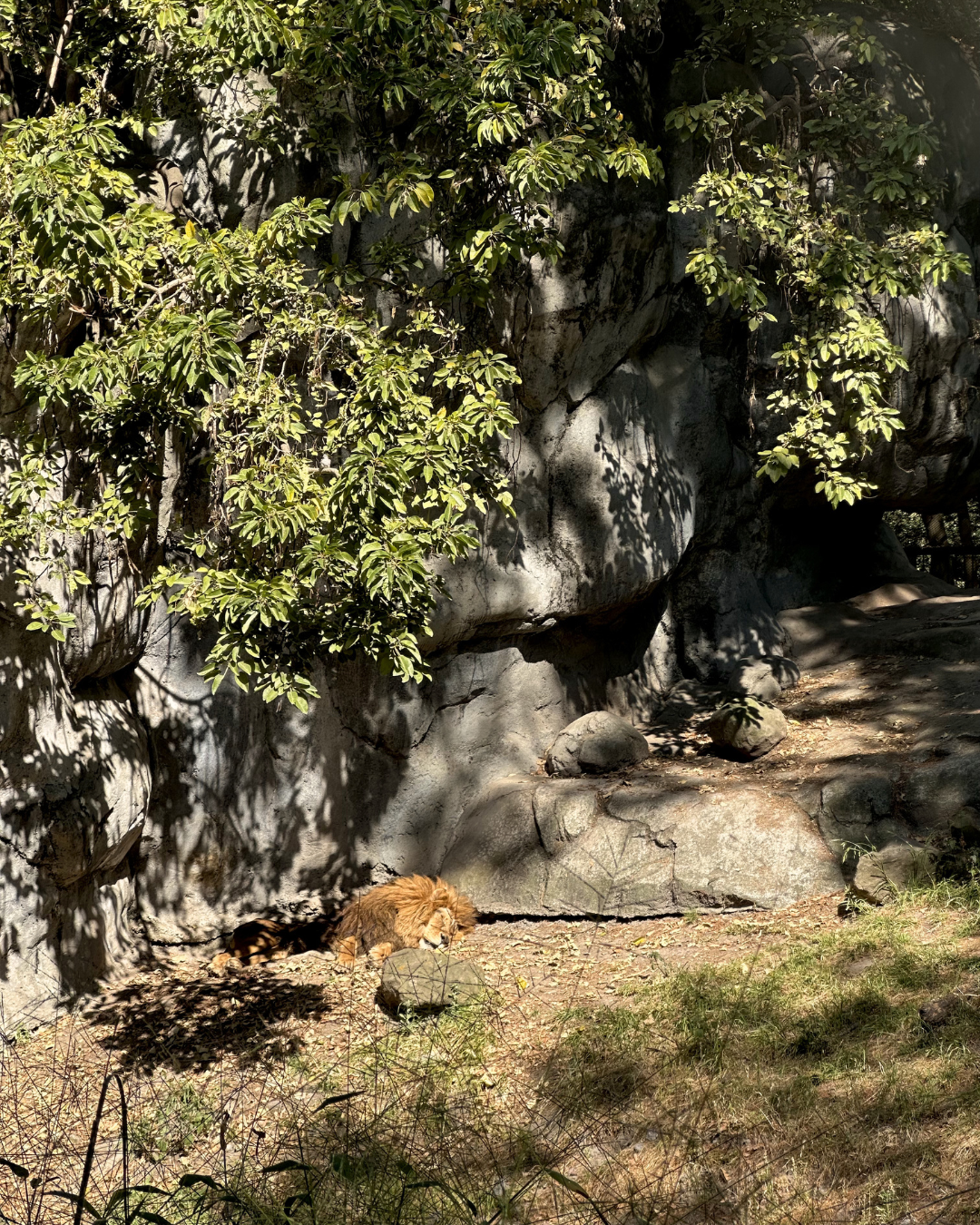
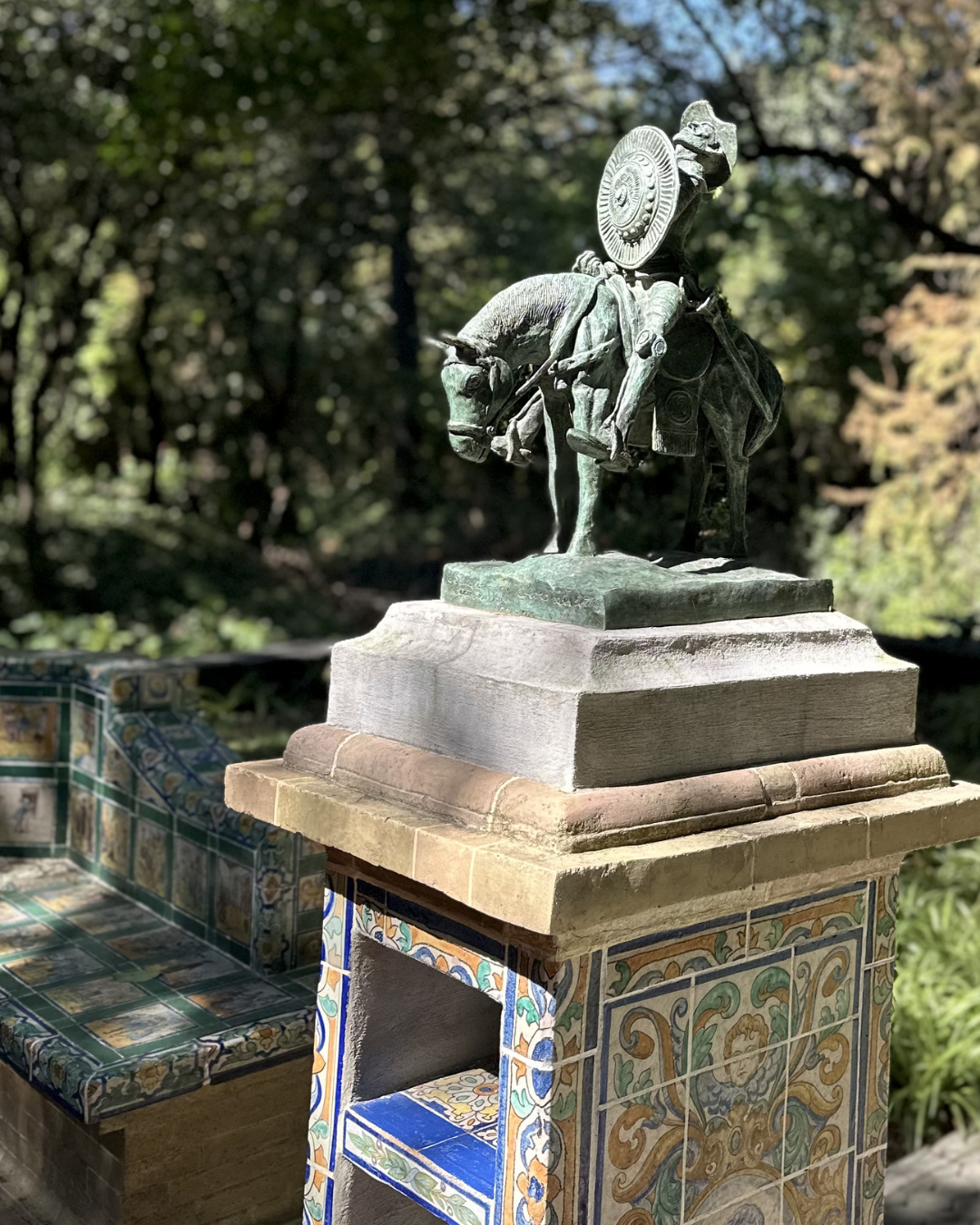
All of these attractions are surrounded by trees, fountains, monuments, and green spaces. Families fill the park having picnics, playing games, and enjoying the best known zoo in the country.
Viveros de Coyoacán
Slow travelers like me understand the value of a good park. One of my top criteria when choosing a place to stay is proximity to green space. If you’re the same way, locate yourself near Viveros de Coyoacán!
When I stayed in CDMX for a month, my apartment was just a walk away Viveros de Coyoacán. It may have been the best decision I ever made. I was able to walk to the park nearly every day to escape the city noise, touch grass, and breathe fresh air.
Viveros de Coyoacán is more than just a park. This big outdoor space including an arboretum, a flower garden, walking paths, and a free public bathroom. (B.Y.O. toilet tissue.)
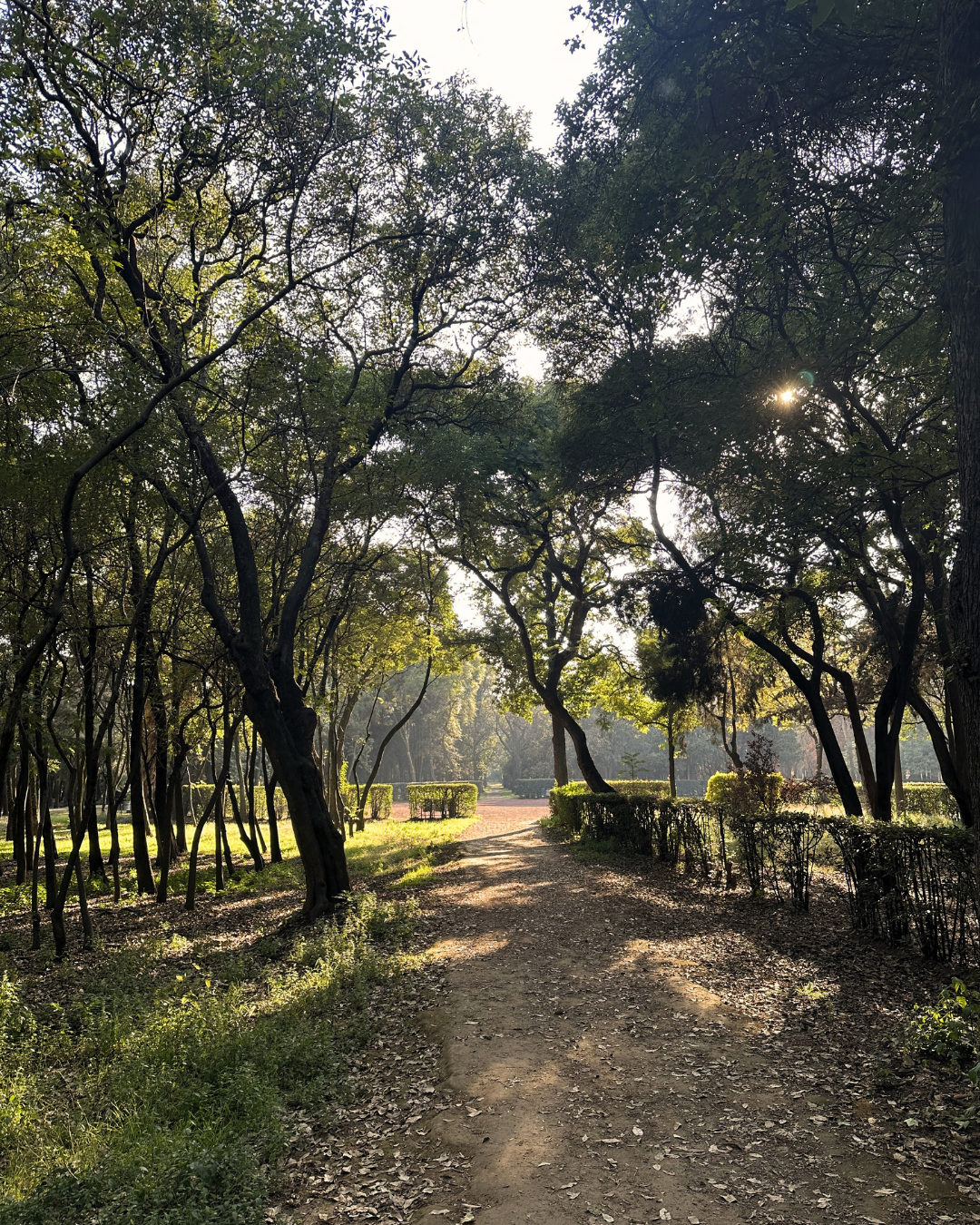
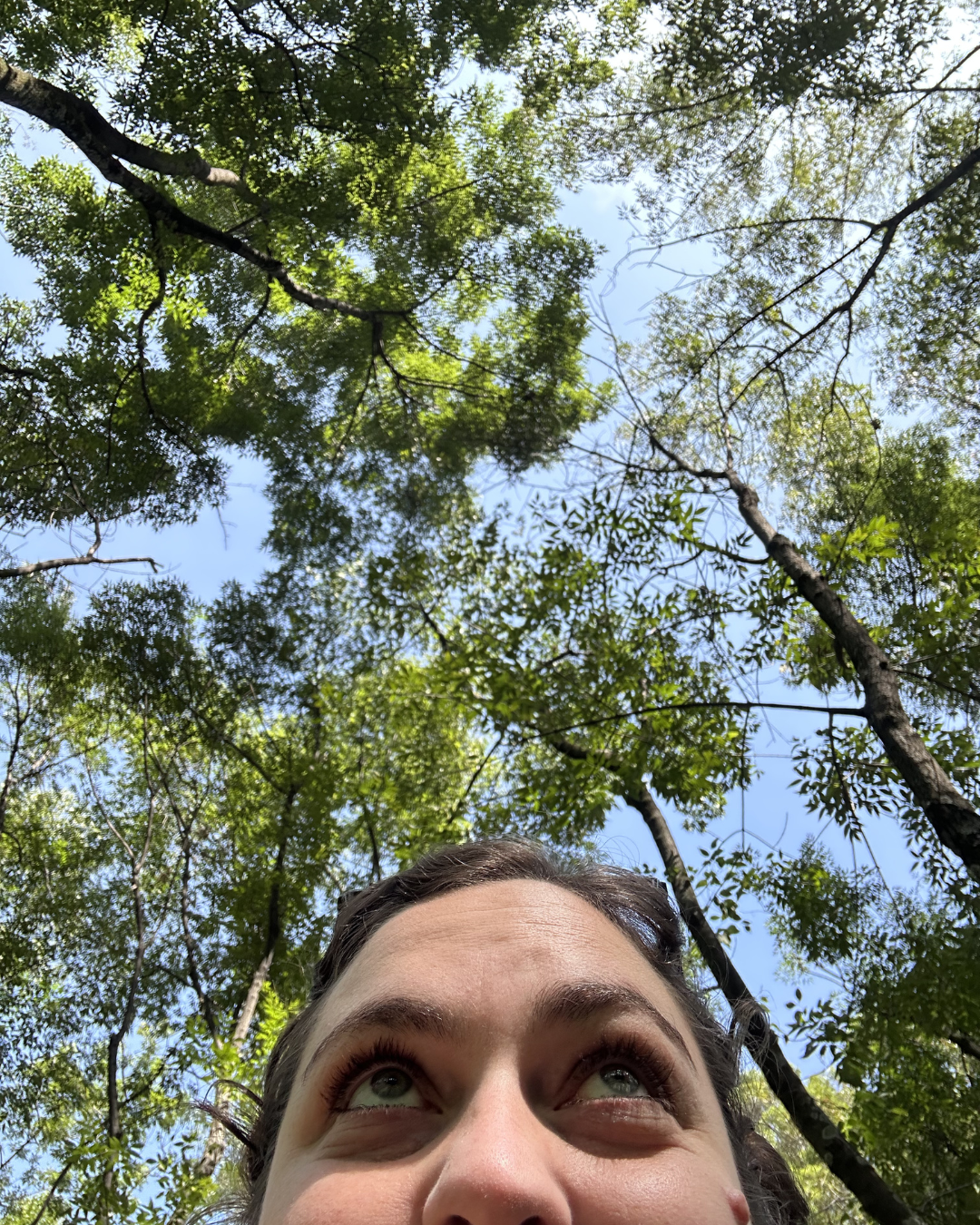
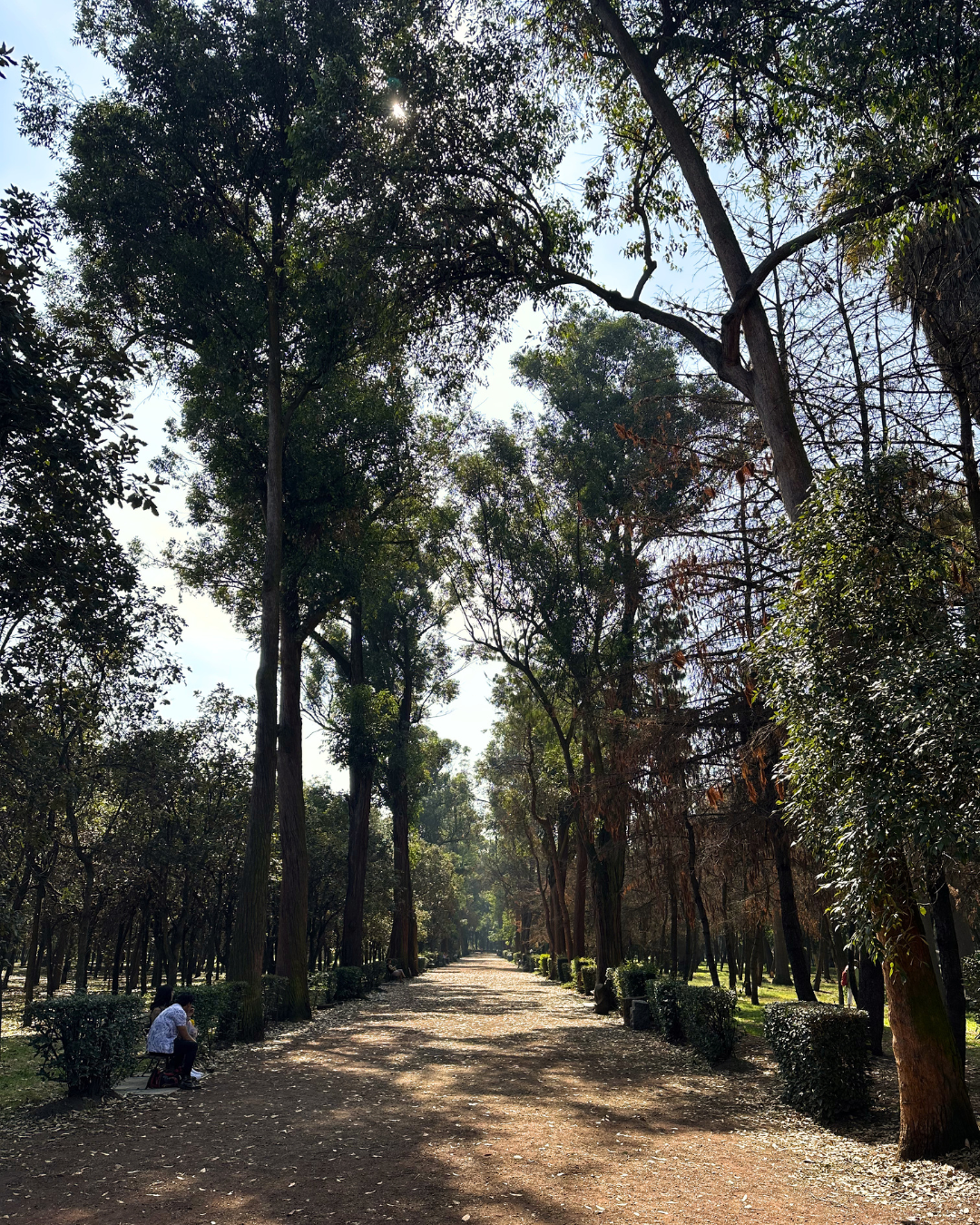
Vivero means nursery in English. Because Viveros de Coyoacán is a tree nursery! The park grows seedlings for reforestation projects, mostly in and around CDMX. This nursery produces about one million seedlings every single year.
Viveros de Coyoacán is one of Mexico City’s “lungs” providing clean air to the community. Simultaneously, it is an operational nursery that supports both people and the earth. Consider this my love letter to Viveros de Coyoacán, I simply cannot say enough good things.
Alameda Central
In the historic heart of Mexico City you will find Alameda Central, a decorative park with greenery and fountains. Unlike the other parks on this list, this is not one you disappear into and forget you are in a city. No, this is a city park for sure. Which is part of its charm!
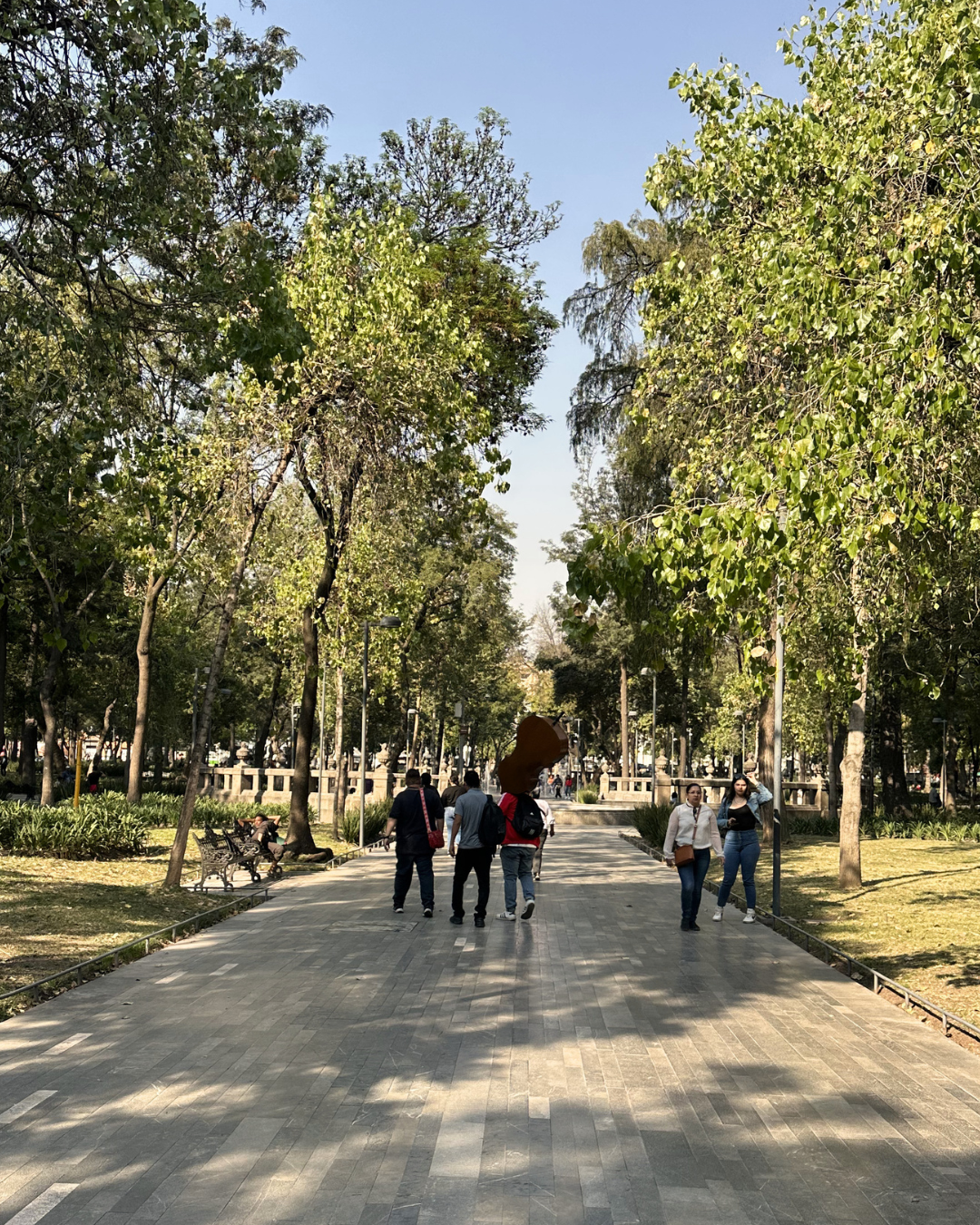
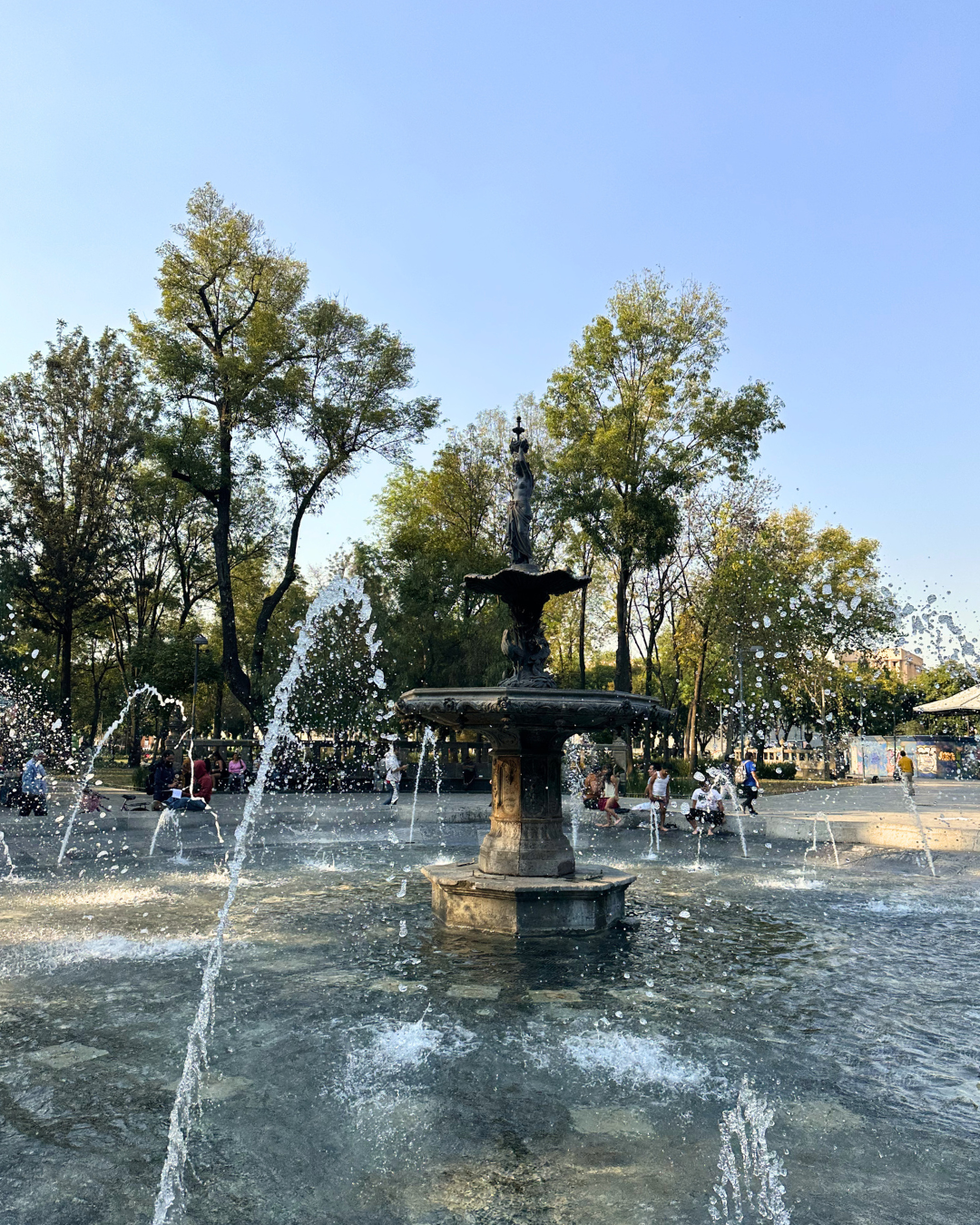
On a weekend day, you may run into any number of exciting things going on. Street performers, artist stalls, and elote vendors pop up along the walking paths and surrounding sidewalks.
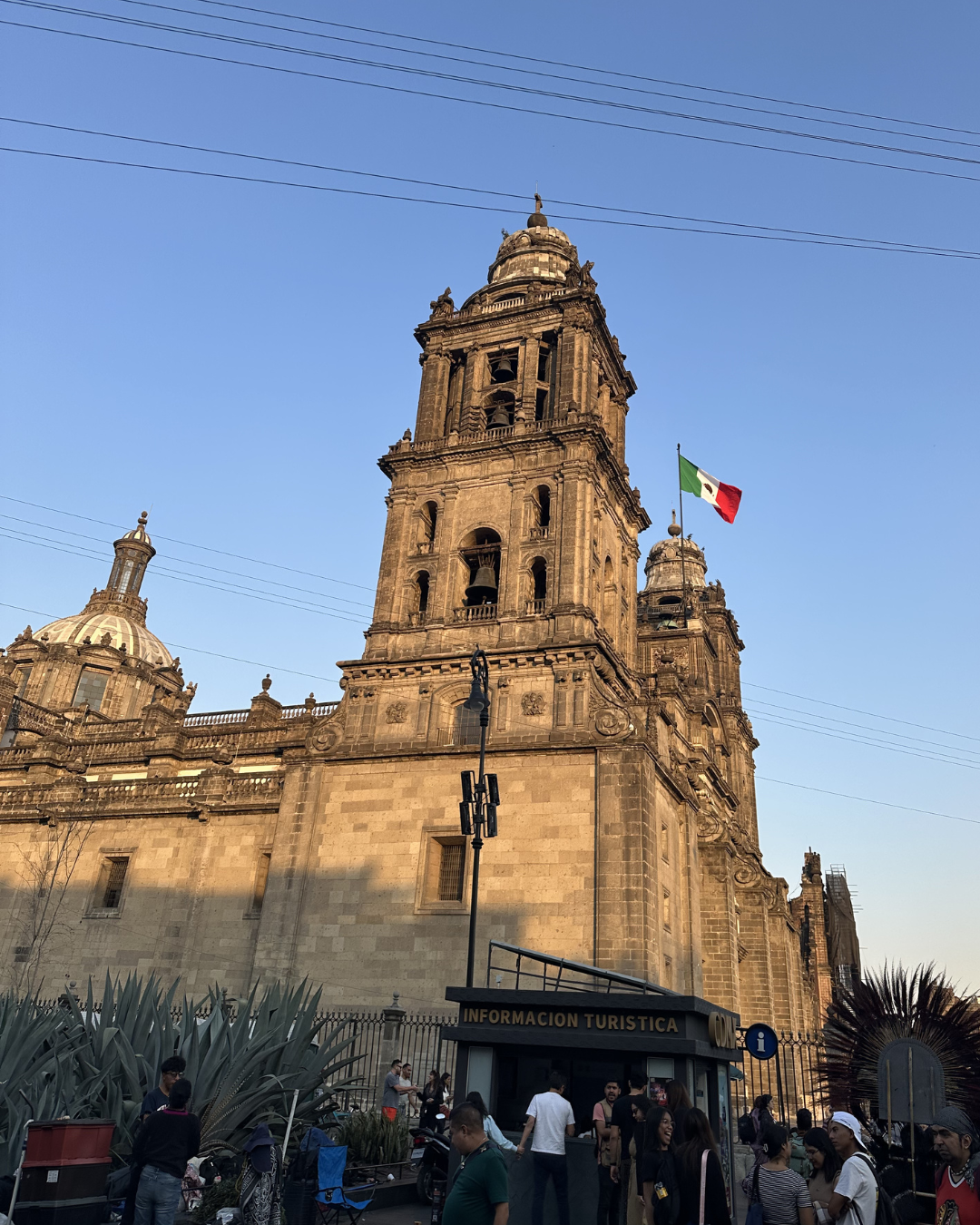
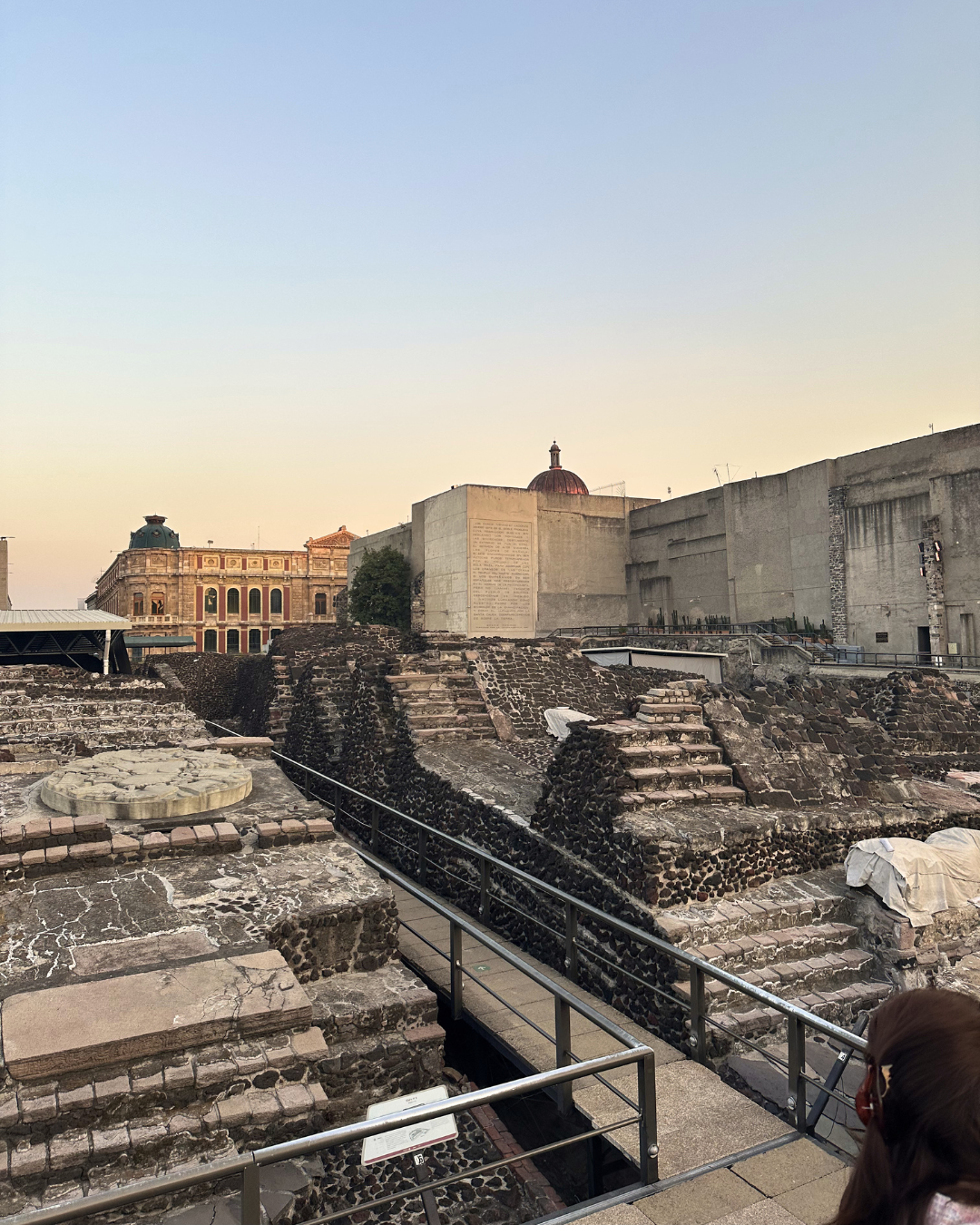
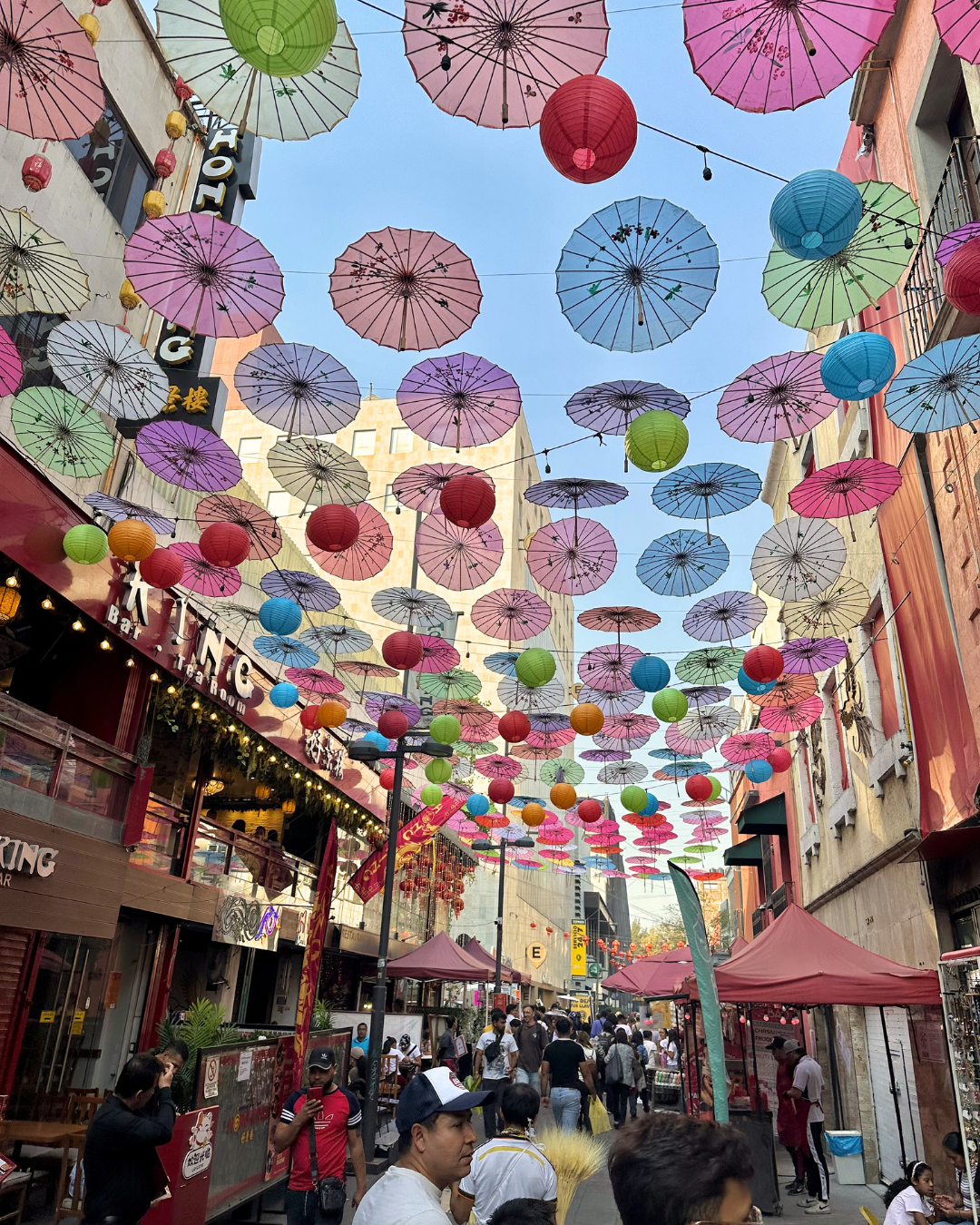
Within minutes from this park you can walk by Palacio de Bellas Artes, visit Mexico City’s Metropolitan Cathedral, see Templo Mayor, and walk through Chinatown. Alameda Central is a great central location for delving into the neighborhood (el centro).
Palacio de Bellas Artes

Mexico City Metropolitan Cathedral
Templo Mayor
Chinatown

Final Thoughts about Visiting Mexico City
Of all the places I have been, if I had to choose one to live for the rest of my life it would be Mexico City. CDMX is warm, exciting, friendly, inclusive, and unique. You can eat food from every corner of the globe, enjoy world-class art, see pieces of ancient history, all in the period of an afternoon.
Mexico City is also a destination you can cater to your own interests, whatever they are. Each neighborhood is so unique, and within each neighborhood are such diverse opportunities.
I hope you feel inspired to dig in to this city. Allow yourself the chance to breathe it in, take a peek into every corner, and discover the magic hiding in CDMX.
